

American Airlines has made a classic blunder. It published detailed updates to its AAdvantage loyalty program for the new status year, before withdrawing them, but loyalty program enthusiasts had already managed to capture everything visually. The website View from the Wing documented the episode almost in real time.
The end of miles on Basic Economy Tickets
The most immediate and widely discussed change doesn’t concern status thresholds, but rather the airline’s entry-level fare. Since December 17th of last year, any Basic Economy ticket purchased on American no longer earns AAdvantage miles or Loyalty Points, regardless of the traveler’s elite status or the payment method used (including AAdvantage co-branded cards).
The airline then tightened the rules a second time last May: elite members also lost, on Basic Economy tickets, free seat selection, automatic upgrades, and the use of Fleet Upgrade Certificates (SWU). This combination puts an end to a practice well-known to loyal members of the program, who historically purchased the cheapest class while retaining, thanks to their status, most of the benefits of a more expensive ticket. All that remains on this type of ticket is the $99 travel credit in case of cancellation (instead of a refund).
Essentially, this decision aligns with a strategy already in place at Delta, which has long since stopped awarding miles on its Basic tickets. United remains, for now, the only one of the three major US airlines not to have followed suit.
Partner bonuses capped
The second pillar of the reform affects a smaller but highly engaged audience: members who primarily build their status through the program’s partners (AAdvantage eShopping portal, AAdvantage Hotels, AAdvantage Dining, AAdvantage Vacations, SimplyMiles) rather than by flying.
Until now, the mechanism operated in tiers: a 20% Loyalty Points bonus beyond 60,000 accumulated points, increasing to 30% beyond 100,000 points. The leaked version suggested a single bonus reduced to 25%, capped at only 15,000 bonus Loyalty Points; this represents a significant reduction for the heaviest users of these channels. Once the change was officially announced, the final cap turned out to be more generous than the leak had suggested: 25,000 Loyalty Points, not 15,000.
Indeed, it’s impossible to know whether this adjustment reflects a genuine consideration of member feedback, or if the leak itself served to test the waters before announcing a slightly reduced version. Both hypotheses are circulating among those who follow the program.
In practical terms, since March 1st, the partner bonus has been 25%, capped at 25,000 Loyalty Points per six-month period following enrollment in the offer. An interesting technical point, noted by several analysts: by playing with the enrollment schedule for this reward, a member could theoretically accumulate up to two 25,000-point caps in the same status year, provided they generate a sufficient volume of partner purchases to reach each tier. This remains reserved for a minority of very heavy users of these channels.
No changes expected to status thresholds
Contrary to what some members feared following the leak, the thresholds for obtaining elite statuses remain stable for the third consecutive year: Gold at 40,000 Loyalty Points, Platinum at 75,000, Platinum Pro at 125,000, and Executive Platinum at 200,000. American Airlines is therefore continuing to focus on the predictability of its qualification tiers, while elsewhere restricting the number of ways to reach them without flying.
Revamped rewards
At several Loyalty Points levels, the program hasn’t so much cut benefits as changed their nature. New options have appeared, such as a 12-month subscription to The New York Times (Games, Cooking, or The Athletic packages), credits toward American Airlines Vacations packages ranging from $250 to $500 depending on the tier, and a commemorative luggage tag marking the company’s centennial. Other more traditional benefits, such as preferred seat coupons, priority boarding in Group 4, and bonus points, remain available. AA presents this mix as a diversification toward “lifestyle” rewards, in line with its centennial year, rather than a simple devaluation.
The conversion of Barclays cards to Citi
These adjustments are not the only changes that have affected the current AAdvantage ecosystem.
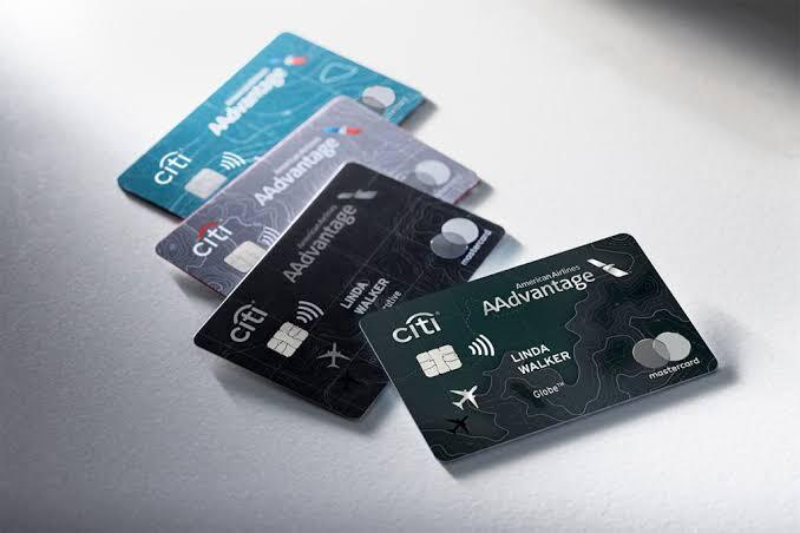
Last April, the transition of the Barclays Aviator co-branded card portfolio to Citi took effect: Aviator Red cardholders were switched to the equivalent Citi AAdvantage Platinum Select card, with some legacy Barclays benefits temporarily retained, presented as provisional until further notice from Citi. Miles already accumulated and their expiration dates remained unchanged in the affected AAdvantage accounts. This card-related reorganization, combined with the two developments described above, outlines a coherent strategy rather than a series of isolated decisions: to reduce the value of point accumulation through indirect channels (online purchases, entry-level tickets), while simultaneously reorganizing the card offerings, which remain the program’s primary driver.
What to expect in 2027
The qualification thresholds for the 2027 status year are expected to be published during the usual fall 2026 window. This upcoming announcement, more than the adjustments already made, will determine whether American chooses to maintain the stability of its thresholds for a fourth year, or whether these leaks were just the first step in a broader review of the program.