


An aviation enthusiast since childhood, I follow the evolution of air transport worldwide with great interest. Through Uspassengers.com, I focus on analyzing the latest news from American airlines and all carriers operating to and from the United States: new routes, fleet renewals, inter-company agreements, airport developments, and more.
A dramatic incident, but no injuries: the crew safely returned the aircraft to the ground.
On Sunday, September 27, a regional flight bound for El Paso had to turn back shortly after leaving Houston. Part of the cockpit windshield had shattered in mid-air. The aircraft, operated by Mesa Airlines on behalf of United Airlines, landed safely at George Bush Intercontinental Airport around 1:00 p.m.
According to the tracking site Flightradar24, the plane had taken off from Houston around 12:20 p.m. and was heading northwest when the crew turned around. The flight lasted approximately forty minutes, including the return loop.
What the recordings reveal
Radio communications between the pilots and air traffic control, obtained by ABC7 News, provide the most specific details. The affected windshield was the First Officer’s, on the right side of the cockpit, and cabin pressurization was not lost.
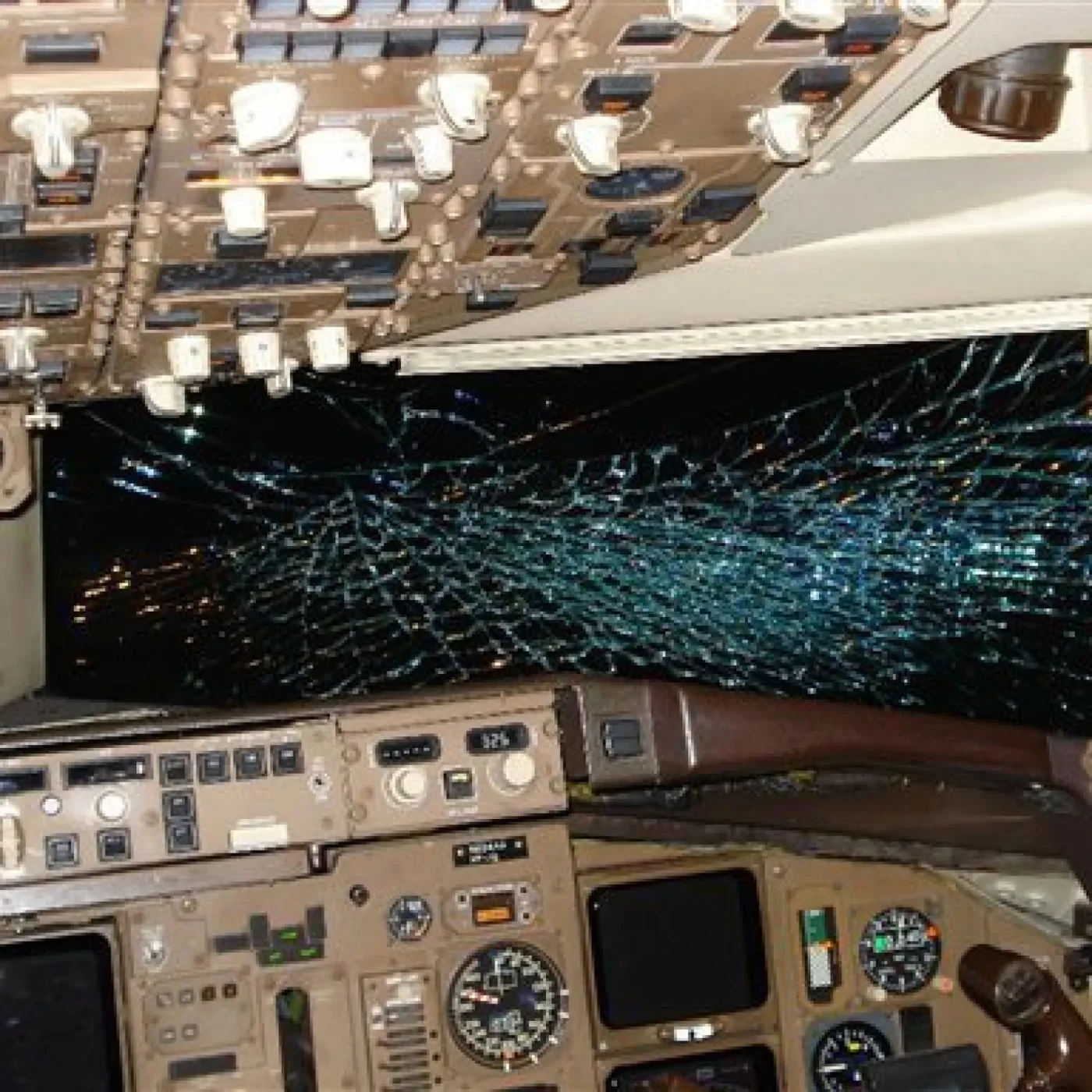
The pilot also spoke over the radio, reporting that pieces of glass were falling inside the cockpit, suggesting that multiple layers of the window had failed.
No injuries; cause still unknown
According to airline records, the aircraft landed and then taxied to the gate under its own power. Authorities reported no injuries. Mesa Airlines stated that it was working to get passengers to their destination.
Why windshields are designed with multiple layers
An aircraft windshield is not just a simple pane of glass. It consists of multiple layers, meaning that the failure of a single layer generally poses little problem. This redundancy is intentional: it gives the crew time to react. In this instance, the fact that multiple layers were compromised partly explains why the situation was treated seriously.
The airline explained that the absence of depressurization did not alter the required course of action. A Mesa spokesperson stated that the standard procedure in such cases is to return to the departure airport. The crew’s decision was therefore a matter of regulatory prudence rather than improvisation.