
An aviation enthusiast since childhood, I follow the evolution of air transport worldwide with great interest. Through Uspassengers.com, I focus on analyzing the latest news from American airlines and all carriers operating to and from the United States: new routes, fleet renewals, inter-company agreements, airport developments, and more.
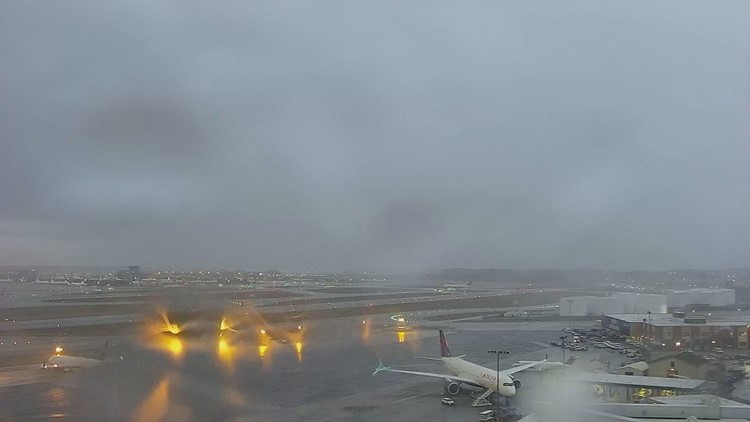
Yesterday, Friday, US passengers faced delays and cancellations at several airports across the country. While disruptions at Atlanta, the world’s largest hub, remained limited, the airport topped the list in terms of the sheer number of affected flights.
According to FlightAware, more than 1,600 flights were delayed nationwide, and over 300 were cancelled. Hartsfield-Jackson in Atlanta led the list for delays, with 70 flights affected.
The most severe disruption occurred in Florida at Destin-Fort Walton Beach Airport. The airport closed in anticipation of Hurricane Isaias, resulting in the highest number of cancellations. Among airlines, Southwest recorded the most delays (495), while Delta had the most cancellations (48).
The FAA also flagged other potential issues: possible thunderstorms in Orlando, Tampa, Miami, and Fort Lauderdale, as well as windy conditions in New York and Philadelphia. A delay in one city creates a ripple effect, delaying the aircraft, crew, and connecting flights elsewhere. This explains how a localized issue can impact operations in Atlanta, a major transit hub for many flights.
What airlines offer in the event of delays or cancellations
In the event of a delayed or cancelled flight, passengers have certain rights that vary depending on the cause of the disruption and the airline; however, the following options are generally available:
Free rebooking: In the event of a cancellation, the airline offers an alternative flight at no extra cost, sometimes on a partner airline.
Refund: If you decline the proposed alternative, you can generally request a refund for your ticket, in accordance with US regulations. Free changes: In the event of a major weather incident, many airlines waive change fees for a few days.
Meals and accommodation: This is not a legal requirement for all delays in the United States. However, several airlines commit to providing meal vouchers or hotel stays when the cause is within their control (e.g., technical issues or crew-related problems), though they are far less likely to do so for weather-related delays.